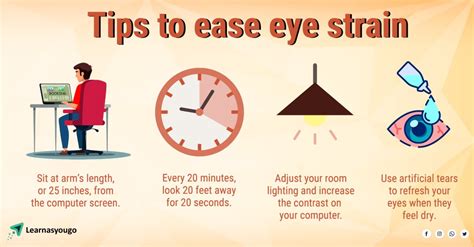
Find Your Perfect Monitor Distance: Stop Eye Strain NowIt’s awesome to have you here, guys! Let’s talk about something super crucial for anyone glued to a screen all day – and let’s be real, that’s most of us! We’re diving deep into the world of
ideal computer monitor distance
. You might think, “Nah, it’s just how far I can comfortably see,” but trust me, getting this right is a total game-changer for your comfort, health, and even your productivity. Poor monitor distance can lead to a whole host of annoying issues like eye strain, headaches, neck pain, and even backaches. Nobody wants that, right? This isn’t just about avoiding discomfort; it’s about optimizing your daily grind, making those long hours in front of the screen feel less like a chore and more like a breeze. We’re going to explore why this seemingly small detail can have such a
massive impact
on your overall well-being and how you can easily fix it. Get ready to transform your workspace and say goodbye to those nagging aches and pains! We’ll break down the science, the practical tips, and even some common mistakes to avoid, all in a super friendly, easy-to-understand way. So, let’s get started on setting up your perfect ergonomic haven.## Why Your Monitor Distance is a Game-Changer for Comfort and HealthLet’s kick things off by really understanding
why
your
ideal computer monitor distance
is such a big deal. Seriously, guys, it’s not just some fancy ergonomic buzzword; it’s fundamental to your long-term health and daily comfort. When your monitor is too close or too far, your eyes are constantly working overtime, trying to adjust and focus. This relentless effort is the primary culprit behind
digital eye strain
, a condition that affects millions. Symptoms often include dry eyes, blurred vision, headaches, and a general feeling of eye fatigue that can leave you feeling drained by mid-afternoon. Imagine your eyes are tiny muscles; if you’re constantly pushing them to their limits without proper rest or positioning, they’re going to get tired and sore, just like any other muscle after an intense workout.Beyond eye strain, an improper monitor distance forces your body into awkward positions. If it’s too close, you might find yourself leaning back, craning your neck forward, or hunching over, trying to get the whole screen in view. If it’s too far, you might squint or lean in, leading to similar postural issues. These unnatural postures put undue stress on your neck, shoulders, and upper back. Over time, this can lead to chronic pain, stiffness, and even more serious musculoskeletal problems. Think about it: hours upon hours, day after day, in a compromised position. It’s like bending a wire; eventually, it’s going to break or at least get severely bent out of shape. Having the
right monitor distance
means your neck and spine can remain in a neutral, relaxed position, which is essential for preventing pain and promoting good posture. It’s all about creating a harmonious relationship between your body and your screen.When your eyes and body are comfortable, your brain can focus on the task at hand. That’s where
productivity
comes into play. If you’re constantly distracted by a nagging headache, blurry vision, or a stiff neck, how much quality work do you think you’re getting done? Not much, right? By optimizing your
computer monitor distance
, you eliminate these common distractions, allowing you to concentrate better, process information more efficiently, and ultimately, be more productive. It’s not just about feeling good; it’s about performing better. Moreover, addressing this proactively can prevent
long-term health issues
. Chronic eye strain can accelerate age-related vision problems, and persistent poor posture can lead to degenerative disc disease or chronic pain syndromes. Investing a little time now to perfect your setup is an investment in your future self, ensuring you can continue working comfortably and effectively for years to come. So, let’s take this seriously, folks. Your body will thank you!## The Golden Rule: How Far Should Your Monitor Be?Alright, let’s get down to brass tacks and talk about the
golden rule
for your
ideal computer monitor distance
. The universally accepted starting point, and one that works for most people, is the
arm’s length rule
. What does that mean exactly? Well, simply put, when you’re sitting comfortably in your chair, your monitor should be about an arm’s length away from your face. To test this, extend your arm straight out in front of you. Your fingertips should just about touch the screen. This usually translates to a distance of somewhere between 20 to 40 inches (about 50 to 100 cm), depending on your arm length and monitor size. This isn’t a rigid, one-size-fits-all law, but rather a fantastic starting point that gets you in the right ballpark.The beauty of the arm’s length rule is its simplicity and its ergonomic foundation. At this distance, your eyes can comfortably view the entire screen without excessive head or eye movements. It allows your visual system to relax into a natural focus, reducing the strain that comes from constantly adjusting to objects that are either too close or too far. Think about reading a book; you naturally hold it at a comfortable distance where your eyes aren’t struggling. Your monitor should be no different. This distance also helps maintain a healthy posture. When your screen is at arm’s length, you’re less likely to lean forward or pull your head back, which keeps your neck and spine in that crucial neutral alignment we talked about earlier. It’s all about finding that sweet spot where your body and your vision are working together, not against each other.However, it’s important to understand
why
this range is recommended and how it relates to our natural human vision. Our eyes are designed to focus on objects at varying distances, but prolonged focus at a very near distance (like a monitor too close) or struggling to see something too far can be taxing. The 20-40 inch range typically falls within our comfortable viewing zone, where the muscles in our eyes don’t have to work excessively hard to maintain focus. This minimizes the risk of accommodation spasms, where the eye muscles get stuck focusing on a near object, leading to temporary blurriness when you look away. It also helps manage convergence issues, where your eyes struggle to turn inward to focus on a close object. At the recommended
ideal computer monitor distance
, these muscles are under less stress, allowing them to perform their job more efficiently and with less fatigue over the long haul. Remember, this is your home base, your personal
monitor distance
launchpad. From here, you’ll make slight tweaks based on your personal preferences and specific setup, which we’ll dive into next. But seriously, start with that arm’s length – it’s a solid foundation for ergonomic success!### Beyond the Arm’s Length: Factors That Tweak Your Perfect Monitor DistanceWhile the arm’s length rule is a super solid starting point for your
ideal computer monitor distance
, it’s just that – a starting point! To truly find your
perfect
setup, you’ve got to consider a few personal factors. This isn’t a one-size-fits-all situation, folks, because we’re all unique, and so are our workspaces and needs. Let’s break down how things like your monitor’s dimensions, your personal vision, and even the type of work you do can subtly, but significantly, shift that sweet spot.First up, let’s talk about
monitor size and resolution
. This is a huge one, believe it or not! If you’re rocking a smaller monitor, say a 20-inch display, you might find yourself wanting to pull it a little closer to clearly see the text and details. On the flip side, if you’ve got a massive ultrawide or a large 32-inch monitor, pushing it
further away
is often the way to go. Why? Because a larger screen covers more of your field of view, and you need to increase your
monitor distance
to take it all in without constantly moving your head back and forth. Imagine sitting in the front row of a movie theater with a huge screen – you have to turn your head to see the edges, right? Same principle applies here. Also, consider resolution. A higher resolution monitor (like 4K) allows for more content on the screen, but it can also make text and icons appear smaller. Some folks might need to bring a high-resolution screen
slightly closer
to read tiny fonts comfortably, or they might adjust the scaling settings on their operating system. Conversely, if you’re using an older, lower-resolution screen, you might keep it a bit further to avoid pixelation fatigue. It’s a delicate balance, and experimentation is key to finding what feels best for your eyes.Next, let’s get personal with your
vision and eye health
. This is arguably one of the most critical factors influencing your
ideal computer monitor distance
. If you wear glasses, contact lenses, or have any specific vision prescriptions, your optimal distance might naturally differ from someone with perfect eyesight. For instance, people with presbyopia (age-related farsightedness, making near vision harder) might need to place their monitor a bit further away if they’re using progressive lenses, so they can look through the correct part of their lens. If you’re near-sighted, you might instinctively prefer the screen a tad closer. It’s vital to adjust your screen to a distance where you can see clearly
without straining your eyes or having to lean forward
. If you find yourself constantly squinting or leaning in, it’s a clear sign that your monitor might be too far, or your current vision correction isn’t quite cutting it. Regular eye exams are super important here, guys, because your vision can change, and your monitor distance should adapt with it. Don’t force your eyes to work harder than they need to; let your monitor come to your vision, not the other way around.Finally, let’s consider the
type of task you’re performing
. Believe it or not, your daily work can influence your
ideal computer monitor distance
. If you’re a programmer or writer, spending hours reading small text and lines of code, you might prefer your screen
slightly closer
than the arm’s length rule to ensure legibility, as long as it doesn’t cause strain. On the other hand, if you’re a graphic designer working with large images or a video editor needing to see the entire timeline, you might want your monitor a bit
further away
to get a broader view of your workspace without excessive head movement. Gamers often have unique preferences too; some competitive gamers might prefer a closer distance for faster reaction times and peripheral vision, while others might prefer a more immersive, slightly further setup. The key here is flexibility. You might even find that your
ideal monitor distance
shifts throughout the day depending on what you’re doing. The goal is to set up your primary workspace for your most common tasks, but don’t be afraid to make minor adjustments when switching between different types of work. It’s all about creating a dynamic setup that truly supports your diverse needs and keeps you comfortable and focused. Experiment with these factors, listen to your body, and you’ll nail that perfect, personalized monitor distance!## Crafting Your Ergonomic Oasis: Setting Up for Optimal Monitor DistanceNow that we understand the
why
and the
what
behind your
ideal computer monitor distance
, let’s talk about the
how
. This is where we get practical, guys! Creating an
ergonomic oasis
isn’t just about throwing some fancy gear into your workspace; it’s about intelligently arranging what you have to support your body’s natural alignment and minimize strain. Getting your monitor to that perfect distance requires a thoughtful approach to your entire setup. It’s like building a puzzle where every piece, from your chair to your monitor arm, plays a crucial role in achieving that sweet spot.First and foremost, your
chair and desk setup
are the foundational elements. You simply can’t achieve an
ideal computer monitor distance
without them. Your chair needs to be adjustable in multiple ways: seat height, backrest angle, lumbar support, and armrests. The goal is to sit with your feet flat on the floor (or on a footrest), knees at about a 90-degree angle, and your back fully supported against the chair’s backrest. Once you’re seated correctly, your desk height becomes critical. Ideally, you want your forearms to be parallel to the floor when you’re typing, with your elbows close to your body, forming a relaxed 90 to 100-degree angle. If your desk is too high, you’ll be shrugging your shoulders, and if it’s too low, you’ll be hunching. If you have a fixed-height desk, consider investing in a keyboard tray or a desk riser for your monitor to adjust height independently. The relationship between your chair and desk dictates your natural seated posture, which in turn influences how far or close you can comfortably place your monitor. Don’t compromise on this foundation; it’s the bedrock of a truly ergonomic workspace.Next up, let’s talk about the absolute MVP for achieving precise monitor placement:
monitor arms
. Seriously, guys, if you don’t have one, consider it your next essential upgrade! A
monitor arm
(or two, if you’re running a dual-monitor setup) offers unparalleled flexibility compared to a standard monitor stand. With a good quality monitor arm, you can effortlessly adjust your screen’s height, tilt, swivel, and, most importantly, its
distance
from your eyes. This means you can easily pull your monitor closer for detailed work and then push it further away for a broader view or when taking a quick break. They also free up valuable desk real estate, giving your workspace a cleaner, more organized feel. Furthermore, a monitor arm often allows for a much greater range of motion than built-in stands, making it easier to accommodate different users (if you share your workspace) or to fine-tune your screen’s position throughout the day. This is particularly useful when you need to switch between tasks that might benefit from slightly different viewing distances, or if you simply need to stand up and work at a standing desk conversion, maintaining the correct eye level and distance. Investing in a robust monitor arm gives you the power to perfectly dial in your
ideal computer monitor distance
without compromise.Finally, don’t overlook the impact of your
keyboard and mouse placement
. These peripherals might seem secondary, but they heavily influence your overall posture and, consequently, your monitor distance. Your keyboard should be directly in front of you, centered with your body, so you’re not twisting or reaching. The mouse should be close to the keyboard, allowing your arm to remain relaxed and your elbow at that comfortable 90-degree angle. If your keyboard and mouse are too far away, you’ll find yourself reaching, which can cause shoulder and wrist strain, and often compels you to lean forward, inadvertently bringing your head closer to the screen than intended. Conversely, if your monitor is at the perfect distance but your peripherals are poorly placed, you might compensate by shifting your entire body, negating all your efforts. The goal is to create a seamless, integrated workspace where all elements work in harmony. Ensure there’s enough space between the edge of your desk and your keyboard to rest your wrists comfortably, without bending them at an awkward angle. Every component of your desk setup contributes to your overall ergonomic posture, and meticulously arranging your keyboard and mouse ensures you maintain that perfect
monitor distance
without unnecessary strain elsewhere. By tackling these three areas, you’ll not only achieve your
ideal computer monitor distance
but also build a truly supportive and comfortable workspace that boosts your well-being and productivity.## More Than Just Distance: Holistic Ergonomics for Your WorkspaceOkay, folks, while nailing your
ideal computer monitor distance
is absolutely paramount, it’s just one piece of the ergonomic puzzle! To truly create a sustainable, comfortable, and healthy workspace, we need to think holistically. Imagine having the perfect
monitor distance
but still ending up with a stiff neck or sore eyes because other elements are off. That’s like having a perfectly tuned engine but forgetting to put gas in the car! We’re talking about a comprehensive approach to ergonomics that ensures every aspect of your setup works in harmony to support your body. Let’s explore some other crucial factors that, when combined with your optimal
computer monitor distance
, will elevate your workspace to an entirely new level of comfort.One of the most frequently overlooked factors is
monitor height
. This is a big one, guys! Even if your screen is at the perfect
distance
, if it’s too high or too low, you’re still going to strain your neck. The golden rule here is to position your monitor so that the top of the screen is at or slightly below your eye level. If you’re wearing bifocals or progressive lenses, you might need to lower it a bit further to comfortably view the screen through the appropriate part of your lenses without tilting your head back. When your monitor is too high, you’ll constantly be craning your neck upwards, leading to neck and shoulder pain. If it’s too low, you’ll be slouching or looking down, which can cause similar issues and even contribute to rounded shoulders. Your gaze should naturally fall to the top third of the screen, allowing you to scan the entire display with minimal head movement, primarily using subtle eye movements. This ensures that your neck remains in a neutral, relaxed position, which is critical for long-term comfort and preventing chronic pain. Achieving the correct height often requires a monitor riser or, as we discussed, a versatile monitor arm, which offers the best adjustability. Don’t underestimate the power of proper monitor height in completing your ergonomic puzzle.Next up, let’s shed some light on
lighting
. Proper lighting around your workstation is critical for minimizing eye strain, even when your
ideal computer monitor distance
is spot on. Glare from overhead lights or windows is a major culprit for eye fatigue. Direct sunlight or harsh fluorescent lights reflecting off your screen can make your eyes work overtime, trying to decipher what’s on the display. Try to position your monitor so that bright windows are to your side, not directly in front of or behind you. If overhead lighting is too intense, consider diffusing it or using task lighting that illuminates your desk without creating glare on your screen. Anti-glare filters for your monitor can also be a lifesaver. Furthermore, ensure the ambient light in your room isn’t drastically different from the brightness of your screen. Too stark a contrast can make your eyes constantly adapt, leading to fatigue. A well-lit, glare-free environment allows your eyes to focus on the screen comfortably, reducing the need for squinting and ultimately protecting your vision. This often means using natural light where possible, combined with soft, indirect artificial lighting.Good lighting, combined with optimal monitor distance, creates a much more comfortable viewing experience.Perhaps the easiest, yet most often ignored, tip is taking
breaks (the 20-20-20 rule)
. You could have the most ergonomically perfect setup with the
ideal computer monitor distance
, but if you don’t take breaks, your eyes and body will still get fatigued. The
20-20-20 rule
is a simple yet incredibly effective strategy:
Every 20 minutes, look at something 20 feet away for at least 20 seconds
. This allows the tiny muscles in your eyes, which are constantly working to focus on your nearby screen, to relax and reset. It helps prevent dry eyes by encouraging blinking and reduces the risk of eye strain and headaches. But don’t stop there! Beyond the 20-20-20 rule, make sure you’re getting up and moving around every hour or so. Stand up, stretch your arms, roll your shoulders, walk to get a glass of water. This helps to improve blood circulation, stretches out tired muscles, and gives your mind a brief refresh. Regular movement is essential for preventing stiffness, promoting spinal health, and maintaining overall energy levels throughout your workday. Remember, your body isn’t designed to be static for hours on end, no matter how perfect your setup is.Incorporating these holistic ergonomic practices – paying attention to monitor height, optimizing lighting, and taking regular breaks – alongside your carefully chosen
ideal computer monitor distance
, will create a workspace that truly supports your health and boosts your productivity. It’s about more than just one adjustment; it’s about a mindful approach to your daily environment.## Common Pitfalls to Sidestep for a Healthier SetupAlright, guys, we’ve covered a lot of ground on finding your
ideal computer monitor distance
and creating an ergonomic wonderland. But even with the best intentions, it’s super easy to fall into some common traps that can completely undo all your hard work. Knowing these pitfalls can help you consciously avoid them and ensure your setup genuinely supports your well-being. Let’s dive into the common mistakes people make when trying to optimize their monitor distance and overall workstation ergonomics, so you can sidestep them like a pro!First and foremost, the most obvious pitfall is simply having your monitor
too close or too far
without proper adjustment. We’ve championed the arm’s length rule as a fantastic starting point, but many people either plop their screen down wherever it fits or just don’t think about it at all. If your monitor is consistently too close, your eyes are constantly converging and accommodating, leading to excessive eye strain, headaches, and even temporary blurry vision when you look away (that dreaded
